Help Your Child Build Confidence with Reading, Communication, and Problem Solving
A Simple, Research-Based Approach to Support Early Literacy, Language, and Problem-Solving Skills Through Purposeful Reading Routines.
Get updates, tips, and new resources as they are released.
Learn about the book
Many children, especially in their early years, have difficulties with reading, effective communication, and problem-solving.
Although these challenges are common, they are seldom permanent, and once given the right support, most children can build the skills and develop the confidence they need to succeed.
Often, these children do not require specialized programs or intervention.
They simply need to have the appropriate supports built into their everyday routines at home and in the classroom.
About the Author

Kirstie has spent over twenty years working as a speech-language pathologist in hospitals, public health, schools, and private practice in Canada, England, and the Cayman Islands.
While providing children with early literacy, language, and problem solving skills, she has observed that they may begin to lose confidence, not because they lack ability, but because they are missing key foundational skills.
Katie the Caiman was written with the goal of incorporating those foundational skills into everyday reading moments and doing so in a manner that feels supportive, simple, and practical.
Katie the Caiman
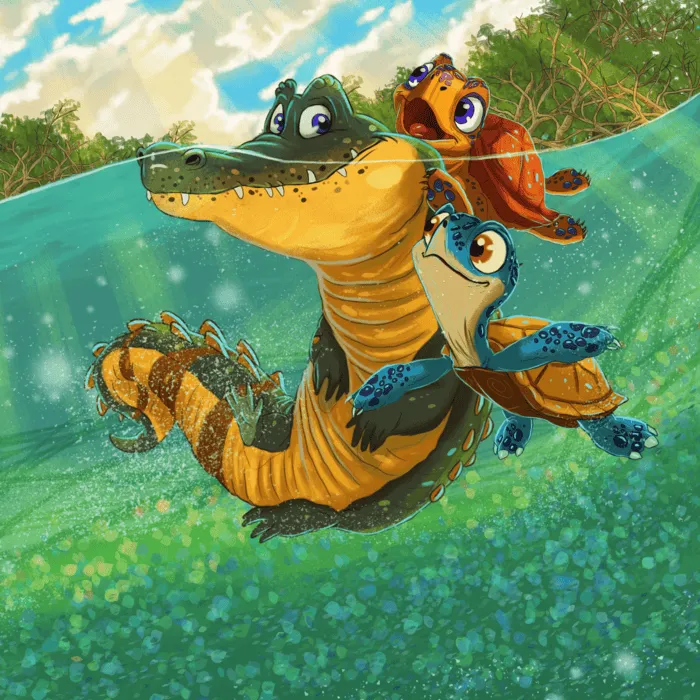
Katie the Caiman is a thoughtfully written children’s book that supports early reading, language, and thinking skills through shared reading experiences.
The story is designed to create natural opportunities for conversation, reflection, and problem solving while helping children to build their confidence and foundational skills.
This book is based on a true story about a caiman that was discovered in a very unexpected place before arriving at the Jaguar Rescue Center in Costa Rica.
The beautifully illustrated book describes Katie’s adventure and the events that led to her living at the center.
While the repetition, rhyme, and alliteration will appeal to the younger child, the novel vocabulary and themes will appeal to older children.
Over the years, I have seen that children flourish once they become more confident in their reading and language skills:
I once worked with a kindergarten student who told me, “I do not read books.”
At five years old, she had already decided that reading was not for her. Any time a book was introduced, she avoided it. When we looked more closely, we realized she was missing key foundational skills such as rhyming, syllabification, and sound awareness.
Once we began building those skills, her confidence shifted until one day she came into our session carrying a book that she had chosen from the library, and she read it aloud.
When I said, “You are a reader,” she smiled in a way that made it clear she finally believed it, too.
Another student I worked with struggled to speak up in class.
He would only talk one-to-one with a teacher or peer, and he avoided group participation as he struggled to communicate his thoughts and feelings and felt self-conscious expressing himself in front of others.
As his language skills and confidence grew, his comfort level increased.
About a year later, he volunteered to run for the school council.
This accomplishment was something that would have felt completely out of reach for him before.
I also worked with a student who had difficulty making and keeping friends.
Although his parents created many opportunities for social interaction, things often did not go well.
When we looked more closely, we found that he was struggling to read social cues.
Comments that he thought were funny sometimes came across as hurtful to other children.
As we worked on social language skills such as considering the perspectives of others and observing facial expressions and body language, his interactions began to change.
Over time, he was able to form and maintain friendships more successfully.
A Simple Way to Support Your Child
Step 1
Get the Book
Start with a story that fits naturally into routines you already have.
Step 2
Use the Tools and Resources
Learn how to support important skills while you read, without extra planning.
Step 3
Read Together and Watch Your Child Grow
Small, consistent moments build confidence and capability over time.
A quick note. While books and everyday support can make a meaningful difference for many children, some children benefit from working directly with a qualified professional, such as a speech language pathologist, educational psychologist, or other specialist. Seeking additional support is not a failure. It is often an important step in helping a child thrive.

The Jaguar Rescue Center
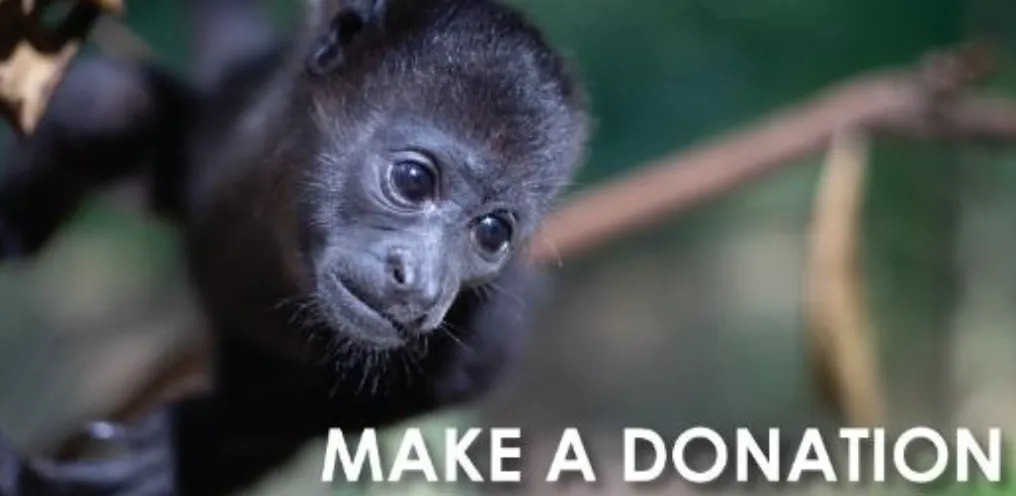
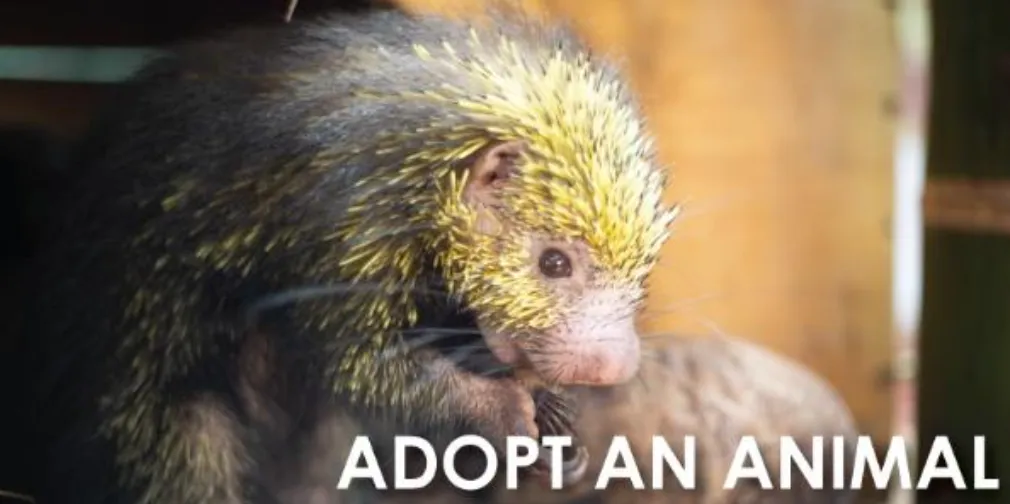
The Jaguar Rescue Center rescues and cares for sick, injured, and orphaned animals such as monkeys, sloths, birds, and reptiles.
The goal is to rehabilitate and release healthy animals back into their habitat. The Jaguar Rescue Center is also a haven for those animals that would be unable to survive in the wild.
The Jaguar Rescue Center rescued 1429 animals this year, a 25% increase from 2024. These animals include mammals such as monkeys and sloths, as well as birds and reptiles, like Katie.
The number of animals requiring rescue due to habitat loss, increased construction, and population growth in the area continues to rise significantly. More animals are coming in, orphaned or suffering from electrocution burns, for example, due to the rapid urban development in the area.
Here’s how you can support the Jaguar Rescue Center.